
Percentage of Americans Who Are Choosing Not To Work Has Not Recovered Since Lockdowns
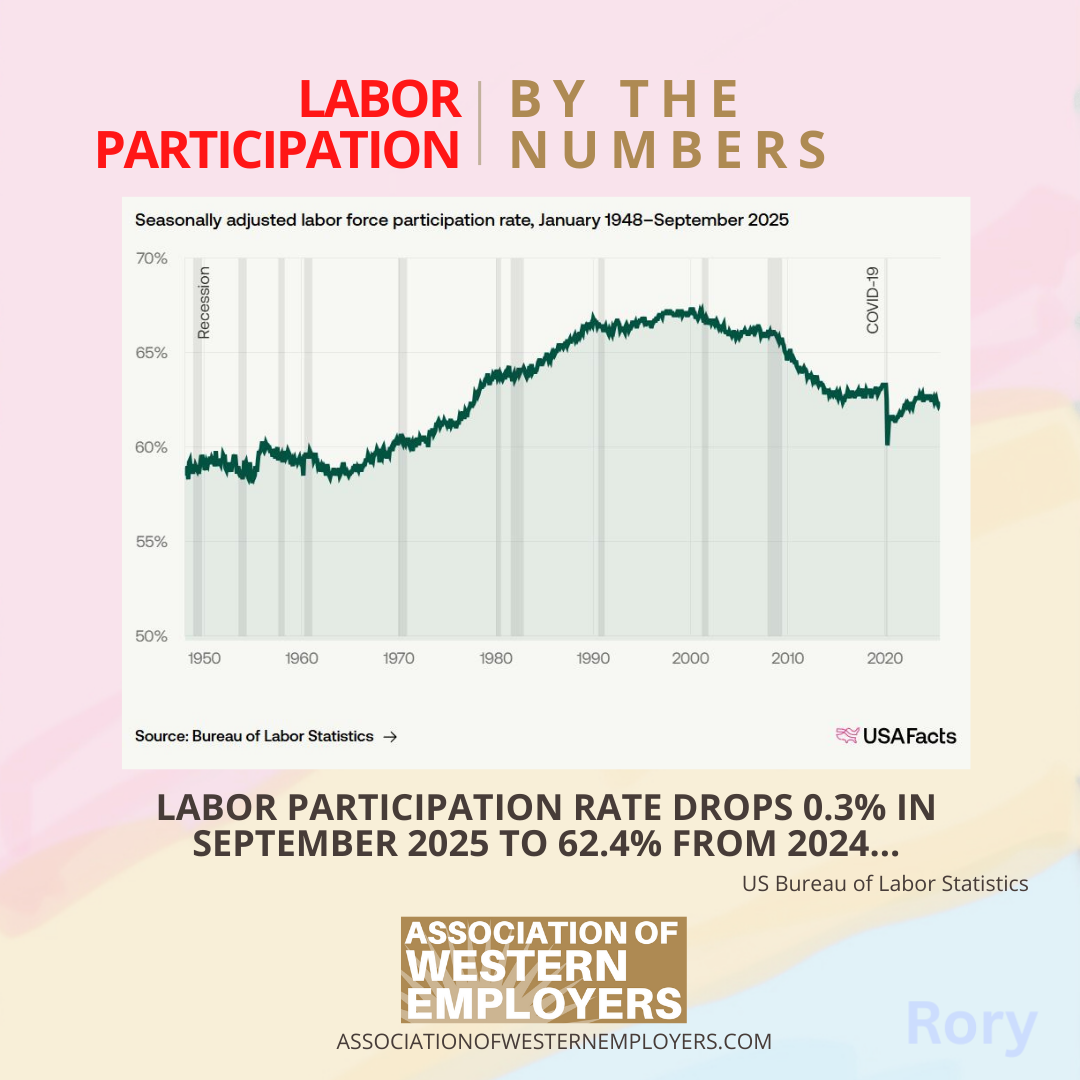
According to Federal employment data, the percentage of Americans who could work but are choosing not to look for work or be employed has not recovered to the pre-lockdown levels of 2019.
The labor participation rate rose steadily throughout much of the twentieth century as women moved into the workforce either by choice or economic necessity as shown by the chart below before beginning a steady decline starting basically at the turn of this century.
While some may point to aging of the workforce, the labor participation rate as a measure generally excludes those of normal retirement age. So while there are some younger workers who have decided to retire earlier, the largest declines in the labor participation rate coincide with the start of the Great Recession roughly in September 2008.
This important but often underreported measure shows several potential clues in the future productiveness of the economy as a whole, including:
A gap in skills for workers in a rapidly changing economy.
A lack of confidence or interest in potential workers to participate in the economy by being employed, often called ‘discouraged workers’.
A masking of the true unemployment rate which generally focuses on measuring the number of people who are interested in finding work but cannot.
Ultimately, a lower labor participate rate, especially within an economic system that encourages adults of all backgrounds, genders, etc to work outside the home, shows that for over one-third of Americans who could be working there is no net benefit for them to be employed.
The Association of Western Employers is dedicated to using its large presence on media platforms to spotlight the challenges that workers across the country face in building their careers. Check back here for more research and news!